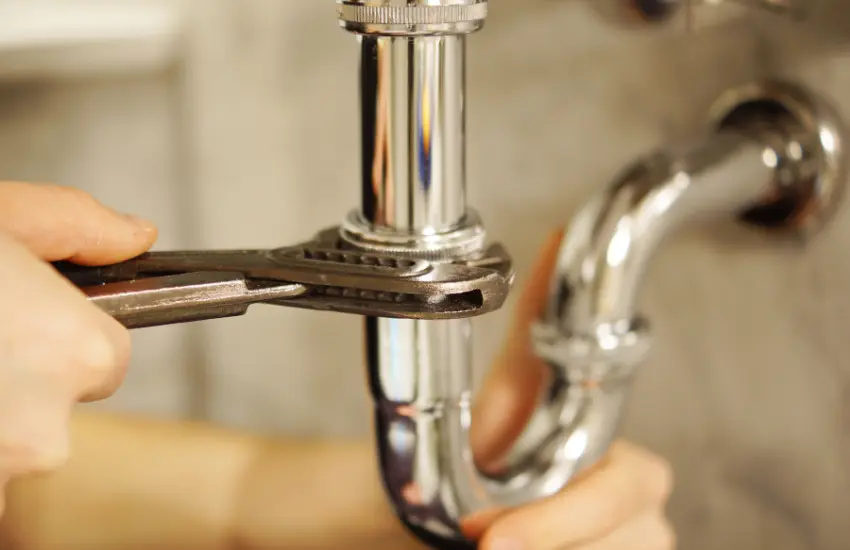
Do You Need to Repipe Your Home? The Dangers of Aging Polybutylene Pipes
By In A Jam Call Sam
Frequent leaks, low water pressure, and sudden pipe bursts are major red flags. Learn why the aging pipes inside your Northern Virginia home might be failing, and how to know when it is time for a whole-house repipe.
The Hidden Danger Behind Your Walls
When we think about home maintenance, we usually focus on things we can see—like a new roof, fresh paint, or a kitchen remodel. But the most critical system in your home is hidden completely behind your drywall.
Your plumbing system works hard 24/7, under constant pressure. Over decades of use, the pipes supplying your water inevitably begin to wear out, corrode, and weaken. If you are experiencing frequent "mystery" leaks, sudden drops in water pressure, or water damage on your ceilings, your home might be trying to tell you that a patch job is no longer enough. You might need a whole-house repipe.
The Polybutylene Crisis in Northern Virginia
If your home was built between 1978 and 1995, you need to pay close attention. During this housing boom, a grey plastic piping material called Polybutylene (PB) was heavily used across Northern Virginia. It was cheap, flexible, and easy to install.
Unfortunately, it was also deeply flawed. The chemicals added to public municipal water supplies (like chlorine) react directly with polybutylene piping, causing the plastic to become incredibly brittle from the inside out. There is no warning. The pipe looks perfectly fine on the outside, but the inside flakes away until the pipe suddenly bursts, flooding your home. If you have grey plastic pipes in your basement or utility closet, they are a ticking time bomb and must be replaced.
3 Signs Your Pipes Need to be Replaced
Even if you don't have polybutylene, older copper and galvanized steel pipes also have expiration dates. Watch out for these three major warning signs:
1. Constant Pinhole Leaks
If you have had to call a plumber two or three times in the last year to fix a small leak in your pipes, the structural integrity of your plumbing is compromised. Patching a failing pipe is like putting a band-aid on a dam; it will just break somewhere else a few weeks later.
2. Discolored or Foul-Tasting Water
When you turn on the tap, your water should be crystal clear. If the water runs brown, yellow, or rust-colored for a few seconds before clearing up, it means the inside of your galvanized steel pipes is severely rusted and corroding into your drinking supply.
3. Chronically Low Water Pressure
If your shower is a weak trickle and it takes forever to fill the washing machine, your pipes might be choked. Over time, mineral scale and rust build up inside aging pipes, shrinking the diameter until water can barely squeeze through.
Patch or Repipe: Making the Call
At InAJamCallSam, we will never sell you a service you don't need. If you have an isolated leak on a newer, healthy plumbing line, our experienced plumbers will simply cut out the damaged section and install a permanent repair.
However, if your home is riddled with brittle polybutylene or failing, rusted metal, the safest and most cost-effective long-term solution is a professional repipe. We use highly durable, modern materials like PEX (cross-linked polyethylene) and Type-L copper to completely upgrade your home’s plumbing, ensuring you have safe, strong, and leak-free water lines for decades to come.


Frequently Asked Questions
What is PEX piping, and why is it better?
PEX (cross-linked polyethylene) is the modern standard for residential plumbing. It is a highly flexible, durable plastic piping that does not corrode, is highly resistant to freezing and bursting, and requires far fewer joints and fittings than traditional copper, which massively reduces the risk of future leaks.
How long does a whole-house repipe take?
Will a repipe ruin my walls and ceilings?
Does homeowners insurance pay for a house repipe?
Articles you may like
August 17, 2026
Why Is My Water Bill So High? 4 Hidden Leaks to Check For
Shocked by your latest water bill? Before you call the utility company to complain, learn how to hunt down the sneaky, hidden plumbing leaks that are quietly draining your wallet in Northern Virginia.
DISCOVER MORE
August 17, 2026
Trenchless Sewer Repair vs. Traditional Digging: What You Need to Know
Worried that fixing a broken sewer pipe means destroying your front yard? Learn how modern trenchless sewer repair can save your landscaping, your driveway, and your wallet compared to traditional excavation.
DISCOVER MORE