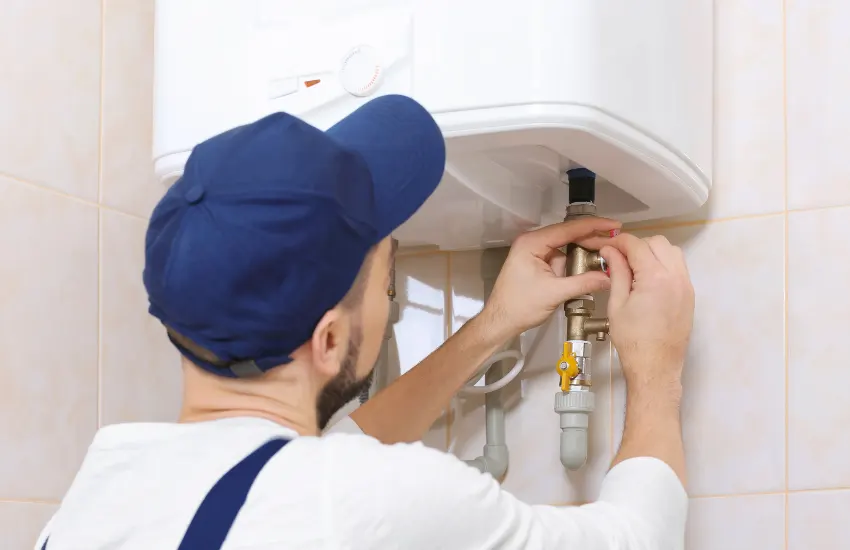
Why Is My Water Bill So High? 4 Hidden Leaks to Check For
By In A Jam Call Sam
Shocked by your latest water bill? Before you call the utility company to complain, learn how to hunt down the sneaky, hidden plumbing leaks that are quietly draining your wallet in Northern Virginia.
The Shock of a Sky-High Water Bill
You open your mail, look at your monthly water bill, and your jaw drops. It is twice as high as it was last month, but your family hasn't changed their daily routine at all. You haven't filled a swimming pool, and you aren't taking two-hour showers. So, where is all that extra water going?
Unless the municipal utility company made a rare meter-reading error, a suddenly spiking water bill almost always points to one thing: a hidden plumbing leak. A leak doesn't have to be a dramatic burst pipe flooding your kitchen; often, it is a silent, steady drip that wastes thousands of gallons of water a month right under your nose.
If your bill is unexpectedly high, check these four common culprits immediately.
1. The "Silent" Running Toilet
Toilets are the number one cause of high residential water bills. A toilet that constantly runs can waste over 200 gallons of water every single day.
Often, the leak is completely silent because the rubber flapper at the bottom of the tank has warped, allowing water to continuously seep into the bowl. The DIY Test: Take the lid off your toilet tank and drop 5-10 drops of dark food coloring into the water. Do not flush. Wait 20 minutes and look at the toilet bowl. If the colored water has seeped down into the bowl, your flapper is leaking and needs to be replaced.
2. A Leaking Water Heater Valve
Your water heater is constantly under pressure. Over time, the Temperature and Pressure Relief (T&P) valve or the drain valve at the bottom of the tank can weaken and develop a steady drip. Because water heaters are usually tucked away in dark basements or utility closets, this leak can go unnoticed for weeks. Grab a flashlight and check the floor directly around the base of your water heater for any pooling water or dark moisture stains.
3. Underground Irrigation & Sprinkler Systems
If it is spring or summer in Northern Virginia, your lawn sprinkler system is a prime suspect. Underground PVC pipes and sprinkler heads can easily crack during the winter freeze or get damaged by a lawnmower. If you have a broken underground irrigation line, water will continuously pump into the soil every time the system runs. Walk your yard and look for unusually mushy, sunken, or overly green patches of grass.
4. The Dreaded Slab or Water Main Leak
This is the most severe type of hidden leak. Your home's main water line runs underground from the street meter to your house. If this pipe cracks, water will constantly leak deep into the earth. Similarly, homes built on concrete slabs have water lines running directly beneath the foundation; a "slab leak" occurs when one of these pipes bursts. Signs to look for:
A sudden drop in water pressure across the whole house.
Warm spots on your basement or ground-floor flooring.
The sound of running water inside your walls when all faucets are turned off.
The Ultimate Test: Check Your Water Meter
If you can't find the leak, your water meter will tell you the truth. Turn off every faucet, shower, and water-using appliance in your house (including the ice maker). Go outside and look at your water meter. Most meters have a small triangular or star-shaped "leak indicator" dial. If that dial is spinning while all the water in your house is off, you have a hidden leak.
Do not let a hidden leak drain your bank account and damage your home's foundation. Call the experienced professionals at InAJamCallSam. We use advanced, non-invasive leak detection technology to pinpoint the exact source of the problem anywhere in your home or yard, allowing us to fix it quickly and stop the waste.


Frequently Asked Questions
"I just got a massive water bill and think I have a hidden leak. Do you provide leak detection across Northern Virginia?"
"I live in Fairfax and my ground-floor flooring feels strangely warm. Do you guys handle underground slab leaks?"
"Can you help me get a leak adjustment credit on my Northern Virginia water bill after you fix the pipe?"
"My Alexandria home was built in the 1980s. Could my old pipes be the reason my water bill is secretly spiking?"
"The ground in my front yard in Springfield is completely mushy even though it hasn't rained. Do you fix leaking underground water mains?"
"Are you going to have to smash through the plaster walls of my historic Arlington home to find the leak?"
Articles you may like
August 17, 2026
Do You Need to Repipe Your Home? The Dangers of Aging Polybutylene Pipes
Frequent leaks, low water pressure, and sudden pipe bursts are major red flags. Learn why the aging pipes inside your Northern Virginia home might be failing, and how to know when it is time for a whole-house repipe.
DISCOVER MORE
August 17, 2026
Trenchless Sewer Repair vs. Traditional Digging: What You Need to Know
Worried that fixing a broken sewer pipe means destroying your front yard? Learn how modern trenchless sewer repair can save your landscaping, your driveway, and your wallet compared to traditional excavation.
DISCOVER MORE