Tank vs. Tankless Water Heaters: Which is Best for Northern Virginia Homes?
By In A Jam Call Sam
Tired of running out of hot water mid-shower? If it is time to replace your old system, compare the pros, cons, and long-term costs of traditional tank versus modern tankless water heaters to find the perfect fit for your home.
The Hot Water Debate: Which System Is Right for You?
If your current water heater is over 10 years old, making strange rumbling noises, or failing to keep your morning showers hot, it is time for a replacement. But before you just buy the exact same model you already have, you have a major decision to make: should you stick with a traditional storage tank, or upgrade to a modern tankless system?
Both options have distinct advantages, and the right choice depends heavily on your family’s daily water usage, your budget, and the size of your Northern Virginia home.
Traditional Tank Water Heaters
A traditional storage-tank water heater is exactly what it sounds like. It is a large, insulated tank—usually holding between 40 and 60 gallons—that constantly heats and stores water so it is ready when you turn on the tap.
The Pros
Lower Upfront Cost: Standard tank water heaters are significantly cheaper to purchase and install than tankless models.
Simpler Replacement: If you are replacing an old tank with a new one, the plumbing and gas or electrical lines are usually already perfectly set up, making it a fast job for a plumber.
Works Without Power, Sometimes: Certain gas-powered tank heaters can still provide hot water during a winter power outage.
The Cons
Standby Heat Loss: You are paying to keep 50 gallons of water piping hot 24/7, even when you are asleep or away at work.
Limited Supply: Once the tank is empty, you have to wait for a whole new batch of water to heat up.
Shorter Lifespan: Tanks typically last about 10 to 12 years before the internal metal begins to rust and leak.
Tankless Water Heaters
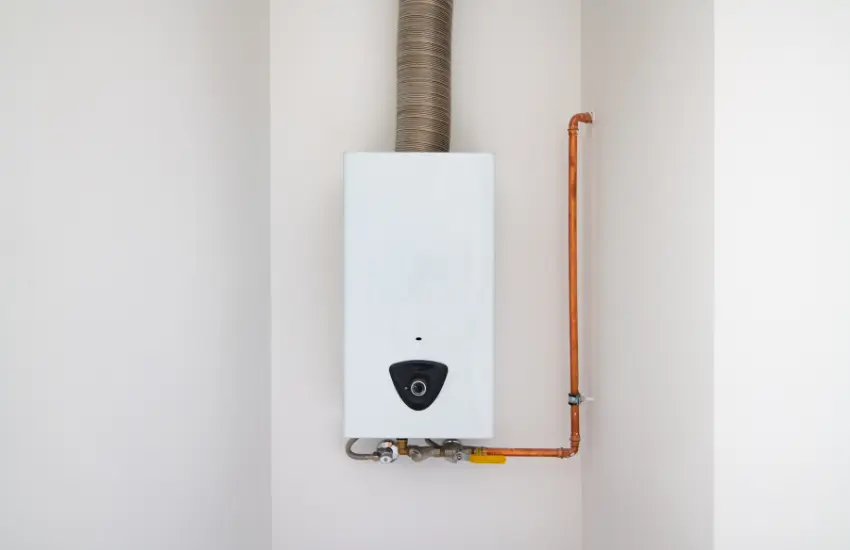
Also known as “on-demand” water heaters, tankless systems do not store any water. Instead, they use powerful gas burners or electric coils to instantly heat cold water the exact second it travels through the pipe.
The Pros
Endless Hot Water: Because it heats water on demand, you will never run out. You can run the dishwasher, the washing machine, and two showers simultaneously without anyone getting a blast of cold water.
High Energy Efficiency: By only heating water when you explicitly turn on a hot water tap, tankless systems use far less energy, significantly lowering your monthly utility bills.
Longer Lifespan: A well-maintained tankless unit can easily last 20 years or more.
Space Saving: They are mounted tightly to the wall, freeing up massive amounts of floor space in your basement or utility closet.
The Cons
Higher Upfront Investment: The units themselves cost more, and the installation process is more complex, often requiring upgraded gas lines and venting.
Inconsistent Output During Overload: If you try to run too many heavy hot water appliances at the exact same time, the system might struggle to heat the water fast enough to keep up with the demand.
Making the Final Decision
So, which one should you choose?
Choose a Tank if… you are on a strict budget, your current tank setup is easily accessible, and your household does not frequently run out of hot water.
Choose Tankless if… you plan on staying in your home for many years, you want to lower your monthly energy bills, you need to free up floor space, and you have a large family that constantly fights over hot water.
Still not sure? Let the experienced professionals at InAJamCallSam help you decide. We provide upfront, honest estimates for both tank and tankless water heater installations across Northern Virginia.


Frequently Asked Questions
How long does it take to install a new water heater?
What size water heater do I need for my house?
Is it worth upgrading to a tankless water heater?
Why is my traditional water heater making a popping or rumbling noise?
Are your plumbers licensed and insured?
Do you offer 24/7 emergency service?
Articles you may like
August 17, 2026
Do You Need to Repipe Your Home? The Dangers of Aging Polybutylene Pipes
Frequent leaks, low water pressure, and sudden pipe bursts are major red flags. Learn why the aging pipes inside your Northern Virginia home might be failing, and how to know when it is time for a whole-house repipe.
DISCOVER MORE
August 17, 2026
Why Is My Water Bill So High? 4 Hidden Leaks to Check For
Shocked by your latest water bill? Before you call the utility company to complain, learn how to hunt down the sneaky, hidden plumbing leaks that are quietly draining your wallet in Northern Virginia.
DISCOVER MORE